

We all have habits that are harmful to our physical and mental health, and when it comes to exercise, the consequences can be particularly damaging. While regular physical activity is vital for maintaining good health, bad exercise habits can quickly derail our efforts and make it increasingly difficult to stay motivated and keep working out as we age.
How to Maintain Your Fitness Routine While Aging
Let’s take a look at some (maybe unexpected) bad exercise and health habits and the detrimental effects they can have on our overall health and fitness as we age.
You’re Only Doing Cardio
While cardio is an essential aspect of any fitness routine, too much cardio can be detrimental, especially as you age.
If you are not properly fueling and hydrating yourself and not making time for proper rest and recovery between workouts, too much cardio puts stress on the body. For example, excessive cardio can also lead to muscle loss, particularly if you are not strength training to maintain muscle mass. and overdoing it can decrease immune function, making you more susceptible to illness and injury.
A well-rounded fitness routine should include a variety of exercises that challenge different aspects of fitness. This includes cardiovascular exercise to improve endurance, strength training to build muscle and increase bone density, flexibility exercises to improve range of motion and reduce muscle tension, and balance and coordination exercises to improve stability and reduce the risk of falls. In addition to these foundational exercises, incorporating activities such as yoga, Pilates, or dance can add variety and help to improve mind-body awareness. It’s important to find a balance that works for your body and your goals, and to make sure to include rest and recovery days to allow your body to heal and regenerate.

You’re Lifting Weights, But Not Using Good Form
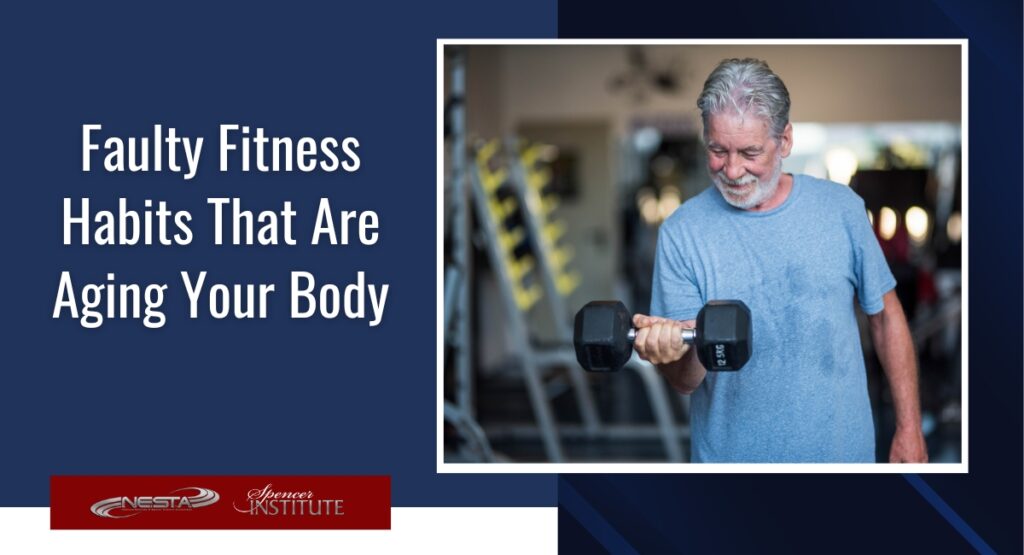
As we age, maintaining good form when strength training becomes increasingly important. Good form not only helps to prevent injury but also ensures that you are targeting the intended muscles during each exercise. This targeted muscle activation helps to promote better posture, balance, and overall physical health. In addition, using proper form when lifting weights can help to reduce wear and tear on your joints, promoting long-term joint health. By practicing good form, you can maximize the benefits of your strength training routine and maintain a high level of physical function as you age. Remember, taking the time to learn and practice proper form is an investment in your long-term physical health and well-being.
You’re Not Getting Enough Sleep
Quality sleep is needed for muscle recovery, hormonal regulation, and injury prevention. Sleep is also critical for cognitive function, including memory consolidation, attention, and decision-making. These cognitive processes are essential for navigating a challenging workout, making good exercise choices, and staying focused during your workout. As we age, it becomes increasingly important to prioritize sleep, especially if we are active in the gym. Aim for 7-9 hours of quality sleep each night, and consider incorporating good sleep habits such as a consistent sleep schedule, avoiding caffeine and alcohol before bed, and creating a comfortable sleep environment to support your sleep needs.
You’re Not Stretching
Stretching is an essential component of any workout routine, as it helps to warm up your muscles before exercise and cool them down afterward. Before a workout, stretching helps to prepare your muscles for the upcoming activity by increasing blood flow, loosening up tight areas, and improving flexibility. This can help to prevent injury by reducing the risk of muscle strain or tear. Additionally, stretching before exercise can help to improve your range of motion, making it easier to perform exercises with proper form.
Neglecting stretching, especially as you age, can have several negative effects on your body. As we age, our muscles naturally become less flexible, making them more susceptible to injury during exercise. Neglecting stretching can exacerbate this loss of flexibility, leading to an increased risk of injury. Additionally, without stretching, muscles may become stiff and tight, reducing your range of motion and making it more difficult to perform everyday activities. Finally, neglecting stretching can also impact your posture, leading to an increased risk of back and neck pain as you age. Incorporating stretching into your workout routine can help to counteract these negative effects, maintaining flexibility and reducing the risk of injury as you age.
You’re Ignoring Pain
As we age, our bodies become more susceptible to experiencing pain and discomfort during exercise. This is due to a variety of factors, including decreased muscle mass and bone density, reduced flexibility and range of motion, and an increased risk of chronic health conditions such as arthritis. As a result, it’s important to take a cautious approach when beginning or modifying an exercise routine, especially if you’re over the age of 50. It’s also important to listen to your body and pay attention to any pain or discomfort you experience during exercise.
Ignoring pain when working out can be extremely dangerous, especially as we age. Pain is often an indication that something is wrong, whether it be a muscle strain, joint injury, or other health concern. Ignoring pain can lead to further injury or aggravate an existing condition, making it more difficult to recover and increasing the risk of long-term damage. Additionally, pushing through pain can lead to poor exercise form, which can further increase the risk of injury. If you experience pain or discomfort during exercise, it’s important to stop and assess the situation. It may be necessary to modify your exercise routine or seek medical attention to address the underlying cause of the pain.
Maintaining good health and fitness habits is essential for leading a long and healthy life. By making small adjustments to our routines and focusing on what works best for our individual needs, we can continue to prioritize physical activity and fitness well into our golden years.
Be on the lookout for future articles. You will also want to search through the archives of our blog because there are many other articles that go into great depth about a variety of topics. Here are two for you to check out now!
- How Do I Start a Successful Personal Training Business?
- The Mindset of a Successful Certified Personal Fitness Trainer
If you or someone you know is ready to start their training career, make sure to check out our NCCA-accredited NESTA Personal Fitness Trainer Certification. You need it for the safety of your client, your professional standing in the fitness industry, and liability reduction.
Click this link to see our complete list of programs (all of which qualify for CEUs for our programs and others).
That’s it for now.
Take action!